Technology & Ecology
Nonhuman Animal Communication Technologies
The MOTH Program has sought to answer questions that arise at the technology-ecology interface in the context of nonhuman animal communication technologies (NACTs).
Advances in the study and comprehension of animal communications are accelerating. Increasingly, additional scientific organizations as well as technology-oriented startups are moving into the nonhuman animal communication space, looking to further develop technologies to listen to nonhuman animals for research but also for commercial purposes.
Beyond translation, some observers in the field predict that the technology and capacity to talk back to animals will exist by the end of the decade, if not earlier, collapsing the wall between direct human and nonhuman animal communications but also raising enormous potential risks for the well-being of nonhumans.
In short, advances in animal communications will not only transform our understanding of the cognition and complexity of the more-than-human world, but also will present unparalleled opportunities and risks for restructuring our relationships with the nonhuman animal world. Despite this urgent state of affairs, however, law and ethics is far behind and has not yet seriously tackled the legal and ethical implications of advances in animal communications, nor has it taken advantage of the field of new opportunities to advance protections and legal claims for nonhumans.
This is where the MOTH Program has stepped in.
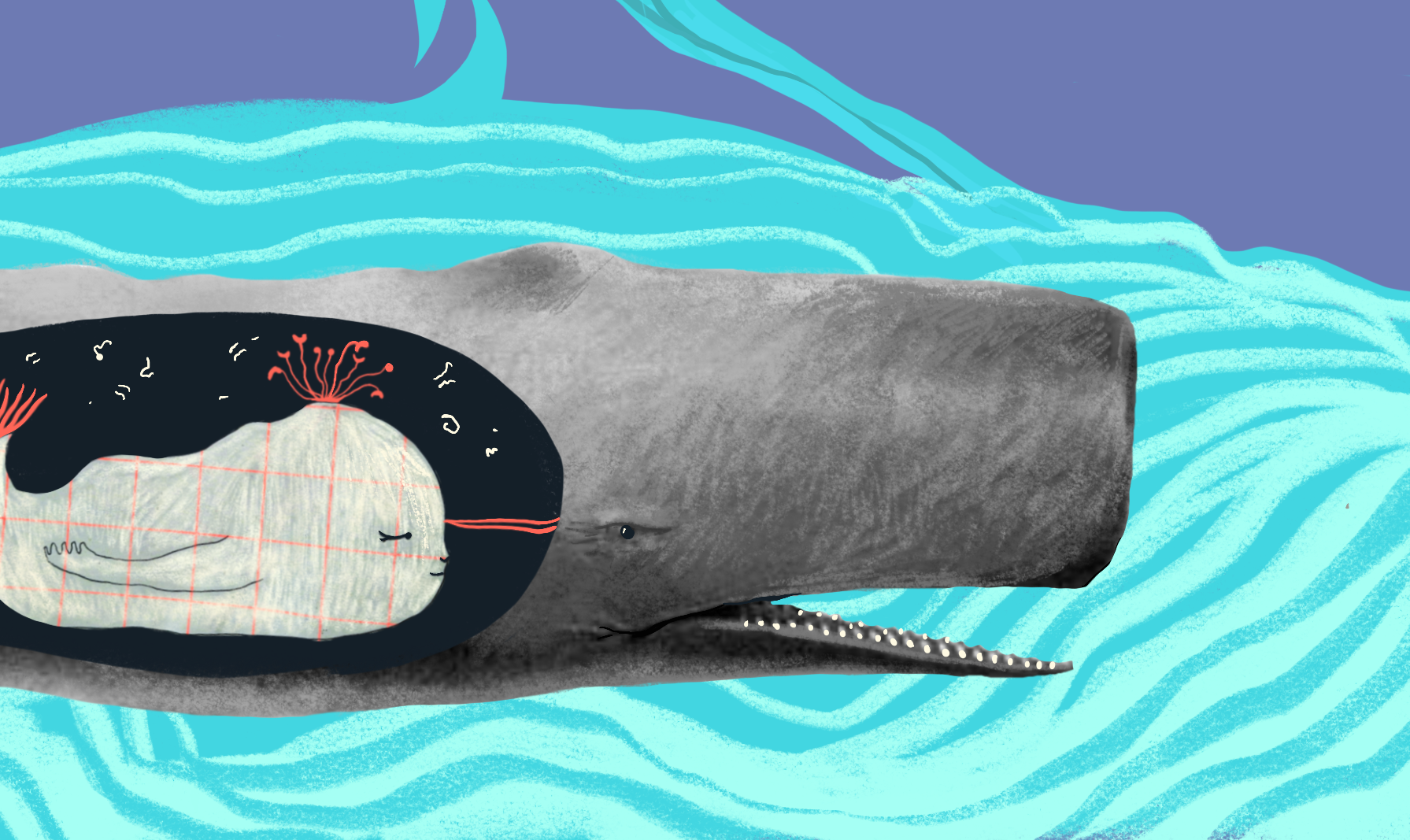
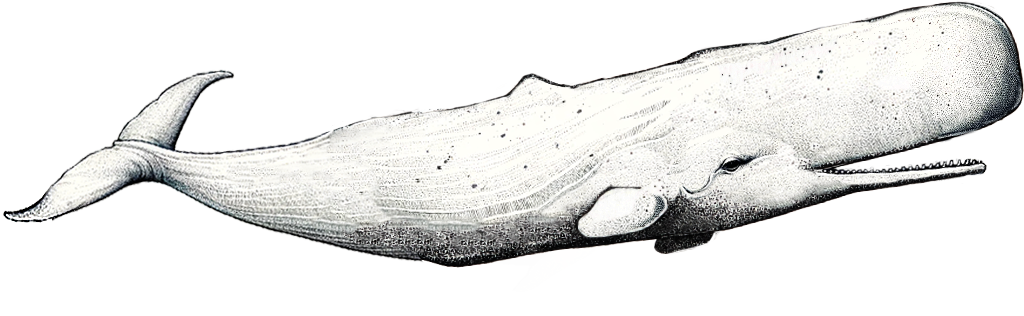
At the forefront of the development of NACTs is Project CETI (Cetacean Translation Initiative), the leading scientific organization dedicated to applying advanced machine learning and state-of-the-art robotics to understand and translate sperm whale communications. Through its ongoing research, Project CETI has produced evidence for the presence of vowels and diphthongs in sperm whale codas (groups of clicks), which suggests that these communications are “highly compositional, more informative, and more complex than previously thought.” Other research by Project CETI demonstrates that sperm whale codas “exhibit contextual and combinational structure with key similarities to aspects of human language and other primate communication systems.”
With respect to the newfound opportunities raised by these new technologies and capacities, MOTH and CETI have jointly published a law review article in Ecology Law Quarterly that maps how newfound understandings of animal communications, like those produced by Project CETI, can be used to strengthen the application and implementation of existing legal and policy protections for nonhuman animals and generate support for new forms of protection. Read the article here: “What If We Understood What Animals Are Saying? The Legal Impact Of AI-assisted Studies Of Animal Communication.”
Opportunities

Risks & the PEPP Framework
To guard against the risks these technologies pose, MOTH has undertaken an interdisciplinary design process with experts in law, AI ethics, Indigenous systems of knowledge, biology, and other relevant areas of expertise and experience to develop legal and ethical principles (i.e., “guardrails”) for nonhuman animal communication technologies.
These living and iterative guardrails, entitled The PEPP Framework (Prepare, Engage, Prevent, Protect), draw on relevant and analogous bodies of law, ethics, and standards of practice, including children’s rights, Indigenous rights, wildlife research, AI regulatory frameworks, and more. Consisting of twelve legal and ethical principles organized according to four guiding pillars, the PEPP Framework establishes standards for legal and ethical conduct with respect to NACTs and provides guidance to shape decision-making.
The MOTH Program published the PEPP Framework and its accompanying report, Listening to Our Animal Kin, in November 2025. Please see below to read the full report. If you have any questions about the report or the PEPP Framework, please email [email protected].
Download the report north_east