Implementing the Rights of Nature
He Whakaputanga Moana (‘The Whale Protection and Legal Personhood Declaration’)
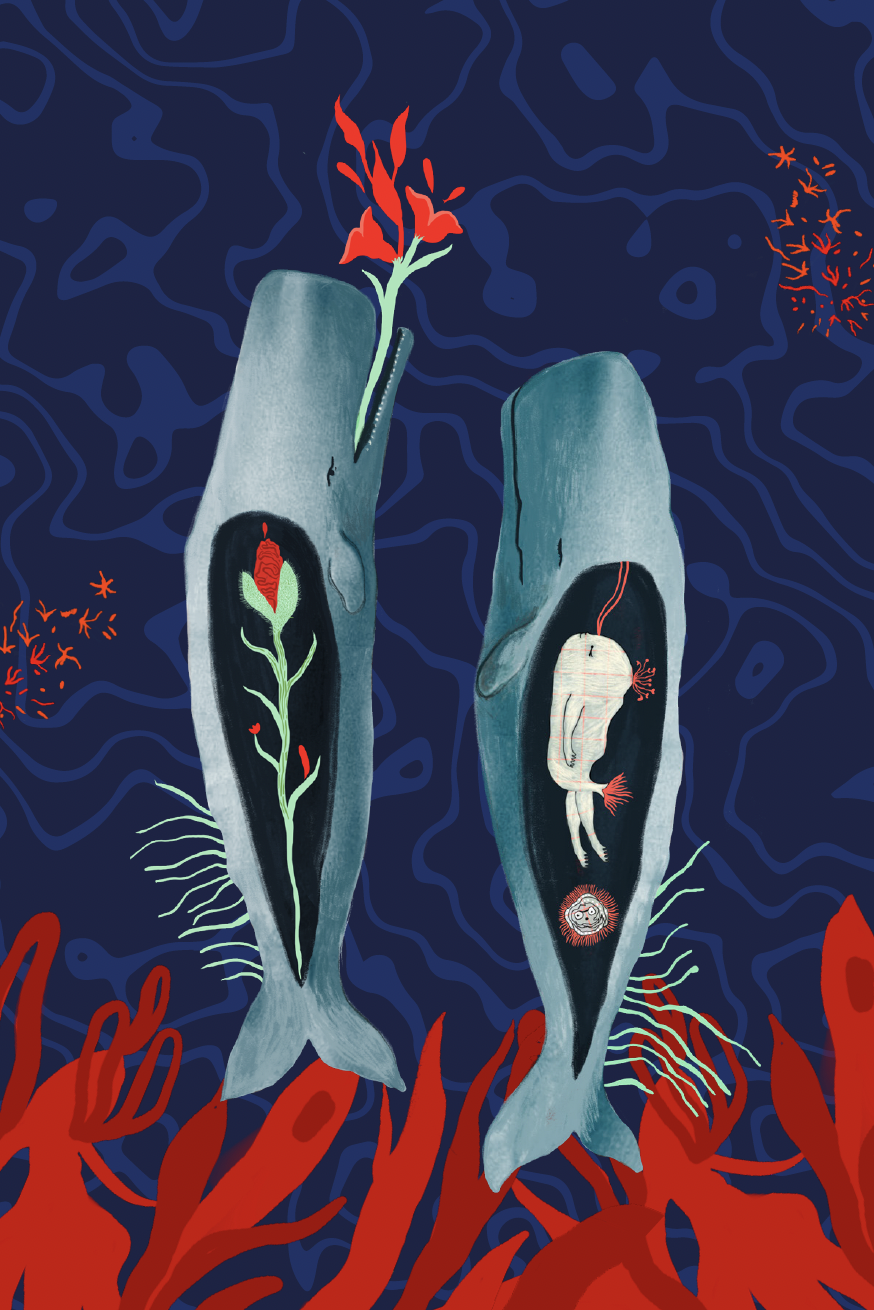
In February 2026, on the eve of the historic Treaty of Waitangi’s 186th anniversary, Indigenous leaders at the helm of the Aotearoa-based organization Hinemoana Halo publicly shared, for the first time, the contents of He Whakaputanga Moana (or ‘The Whale Protection and Legal Personhood Declaration’). The same day, they launched an unprecedented collaboration with leading legal experts and scientists from NYU’s More-Than-Human Life (MOTH) Program and the Project CETI (Cetacean Translation Initiative), respectively. This partnership and the Declaration are aligned with the growing global movement to secure legal protections for the more-than-human world.
Signed on March 28, 2024 in Rarotonga, Cook Islands by the late Māori King Tūheitia Potatau Te Wherowhero VII and leaders across Polynesia, He Whakaputanga Moana is grounded in Te Ao Māori teachings and Polynesian values that recognize whales as both ancestors and sentient beings. It acknowledges the interconnectedness of all beings, humanity’s responsibility to act as a guardian for the ocean’s health, and Pacific peoples’ deep connection to the ocean and right to self-determination in the context of managing and protecting ancestral waters.
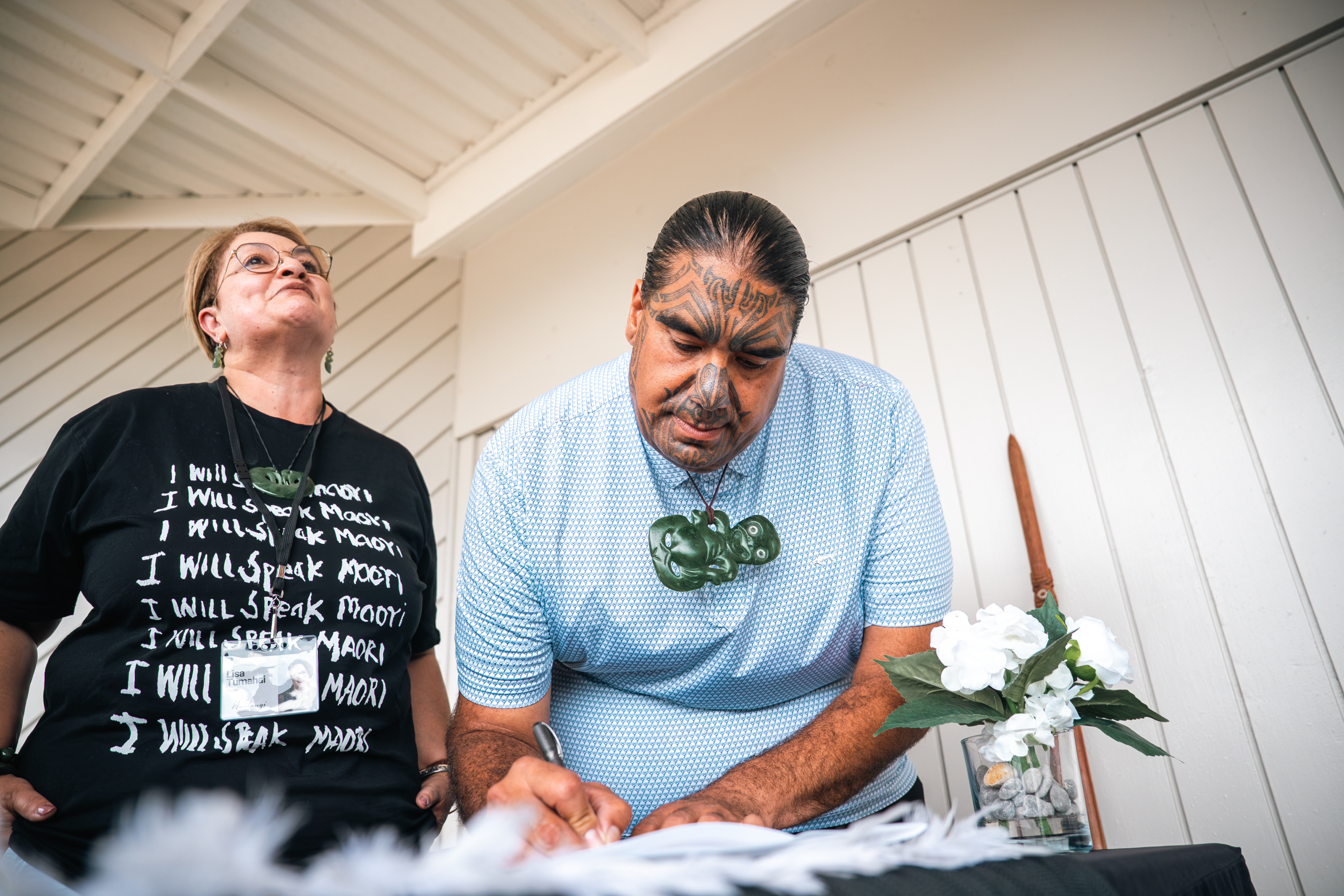
He Whakaputanga Moana is the first Indigenous-led Declaration recognizing whales as sentient beings with inherent rights.
The Declaration radically reshapes the face of global environmental discourse and rights-based frameworks by recognizing that whales “possess inherent rights essential for their existence, thriving, and flourishing in healthy marine ecosystems,” providing that the interests and values of whales must be integrated into decision-making and management approaches, guaranteeing whales legal representation and standing, establishing and expanding marine protected areas, and empowering community participation and collaboration. The creation and signature of the Declaration, which constitutes the first Indigenous-led Declaration of its kind, has been spearheaded by Hinemoana Halo, an Indigenous-led conservation and environmental sustainability organization committed to combining traditional Indigenous practices with modern science to safeguard and restore our precious environment. Their mission is to protect the life essence (mauri) of our natural world through innovative, community-led initiatives.
The public release of the Declaration featured the signing of an agreement between Hinemoana Halo, MOTH, and Project CETI. This groundbreaking, discipline-spanning collaboration aims to implement the Declaration both on the ground and across global waters. The partnership leverages MOTH’s internationally recognized expertise in protecting the rights and wellbeing of nonhuman animals and ecosystems through novel legal frameworks, as well as CETI’s leading role in deploying cutting-edge science and technology to translate whale language.
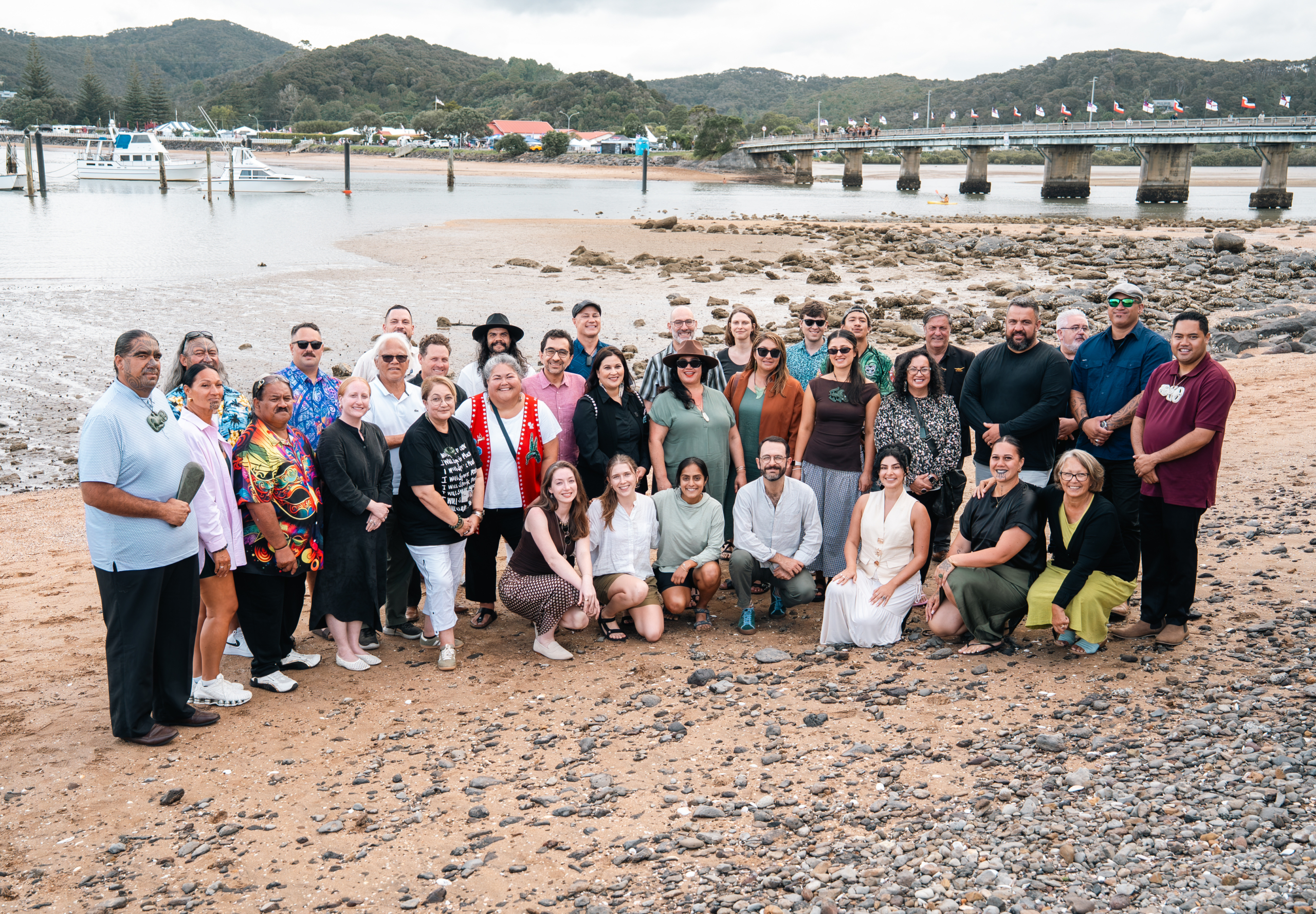
The new partnership aims to address one of the most urgent gaps in global ecological action: the lack of binding legal protections for nonhuman animals, the ecosystems in which they are embedded, and the spiritual, cultural, and relational ties they have shared for centuries with human communities. By combining Indigenous leadership and knowledge, innovative legal strategies, and trailblazing science, the initiative seeks to safeguard nature through rights-based frameworks and set new standards for how environmental law is designed, practiced, and enforced.
Guided by the wisdom and leadership of those who have for generations called the vast Pacific Ocean home, this new collaboration marks an urgent call to action rooted in respect, reverence, and reciprocity — not only toward the ocean and its many more-than-human beings, but also toward the worldviews and knowledge systems that have long safeguarded them.
Like the whales themselves, who traverse entire oceans to communicate, to connect, and to
survive, He Whakaputanga Moana now spans great distances and disciplines to help us
wayfind through an era of profound ecological and moral reckoning. This alliance to
implement the Declaration is a testament to what becomes possible when Indigenous
leadership, legal imagination, and scientific wonder converge in service of environmental
Guardianship.