Introducing the MOTH Ideas Hub
The MOTH Ideas Hub is here — a living space for ideas, stories, and actions in service of the more-than-human world.
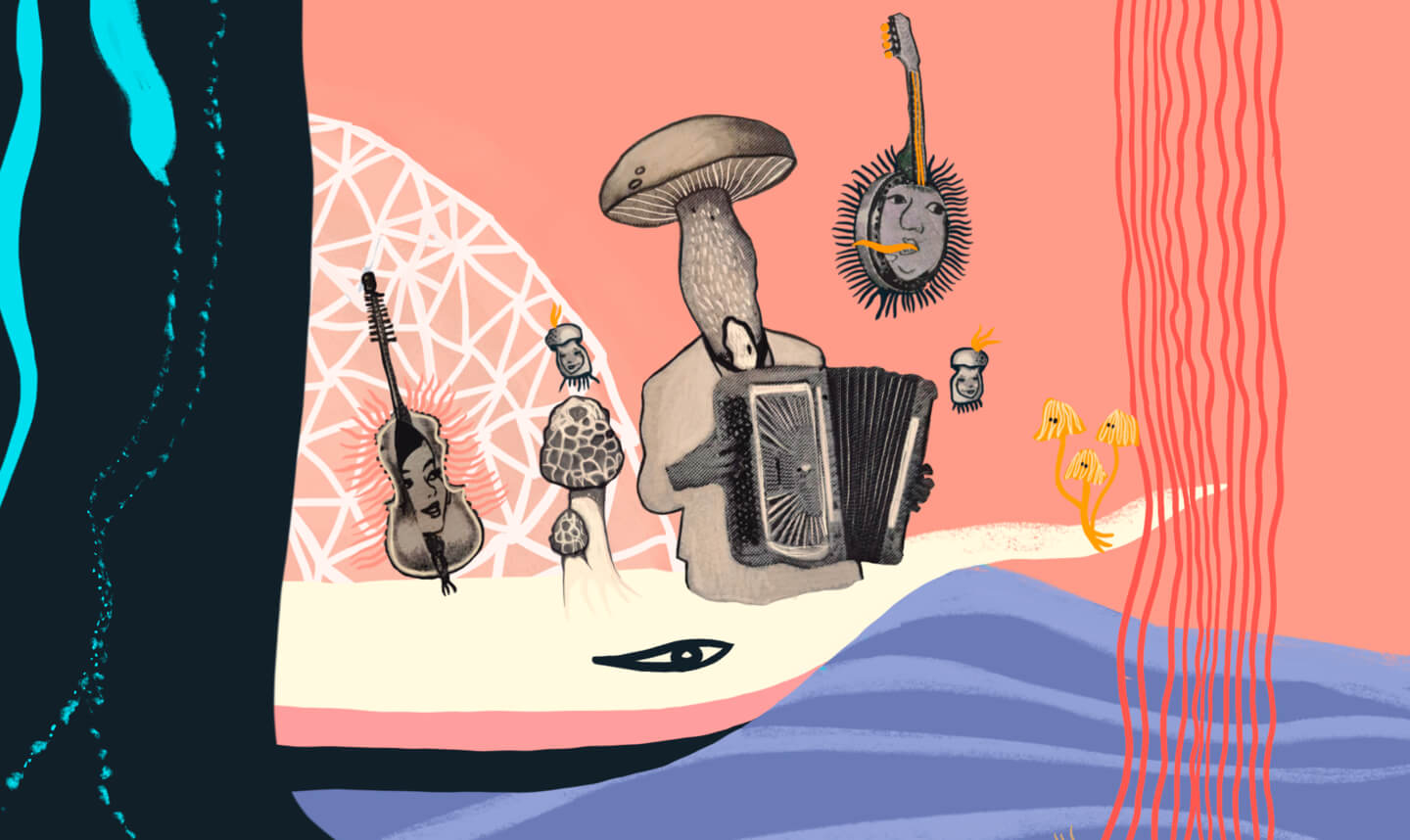
The movement to recognize the rights of the living world—from rivers to whales and from forests to elephants and beyond—is no longer a niche phenomenon. More than five hundred legal cases and actions worldwide and a recent landmark advisory opinion by the Inter-American Court of Human Rights show that the rights of nature is an idea whose time has come. Yet these legal developments are only two measures of the growing fascination with the more-than-human world and our longing to reconnect with it. Botanists are busy studying how plants emit sounds and how insects like moths perceive them and make decisions based on the information they convey. Marine biologists and technologists are decoding the languages of whales and other animal species. Artists and designers are exploring the sounds and the images of the more-than-human world in radical ways, including listening deeply to life on Earth.
As people from a range of disciplines and backgrounds attune themselves to the chorus of voices emanating from the more-than-human world, new stories reflecting and making sense of their call have emerged.
[…] what we are doing when we recognize more-than-human rights is reentering that movement. It’s a dance. And the ultimate goal is to align the laws of societies with the laws and rhythms of nature. To build an ecology of law.
One such story is what I have called “more-than-human rights.” More-than-human rights leverages the law as both a tool for social change and a storytelling device, locating human rights within a concern for the rights and well-being of the living world at large. The term “more-than-human” reminds us that the human world is not separate from but rather nested in the more-than-human world. Indeed, the rights and well-being of humans within this framework are entangled with those of the more-than-human world.
But the concept of more-than-human rights also acknowledges that we need something more than rights. We need, for example, responsibility, which requires responding to nature; not coincidentally, both words share the same Latin root meaning “to promise back.” We also need reciprocity. Reciprocity has the most beautiful of origins. In Latin, it means “moving back and forth.” And so what we are doing when we recognize more-than-human rights is reentering that movement. It’s a dance. And the ultimate goal is to align the laws of societies with the laws and rhythms of nature. To build an ecology of law.
With rights, responsibility, and reciprocity, we can begin adding a legal vocabulary to the “grammar of animacy” urgently needed to reconnect, listen, and speak to the living world all around us. Some of this grammar’s terms and concepts are available in Indigenous knowledge systems as well as in the forgotten roots of Western languages.
Building out a legal grammar of animacy requires collective, interdisciplinary efforts like the NYU More-Than-Human Life (MOTH) Program. It also requires a space for intellectual exploration, practical debate, and the circulation of generative ideas. Such a dedicated space hasn’t existed—until now.
The Hub is a space for the discussion and dissemination of ideas about MOTH rights and life within and across fields
It is our deep pleasure at the MOTH Program to introduce the MOTH Ideas Hub. The Hub is a space for the discussion and dissemination of ideas about MOTH rights and life within and across fields. It is a catalyst for action and source of inspiration for initiatives that advance the rights and well-being of the more-than-human world. Through the Hub, the MOTH Program curates and publishes short-form articles that explore the legal, philosophical, scientific, and cultural paradigms reshaping how we think about and act within the planetary web of life.
The Hub is a response to the numerous calls the MOTH Program received from readers and from collaborators and participants from around the world in our courses, festivals, and gatherings who urged us to continue to facilitate the proliferation and cross-pollination of ideas and actions in the MOTH field.
The Hub is highly interdisciplinary by design. We believe breakthroughs in thought and practice emerge at the touchpoints of different forms of knowledge—including Indigenous knowledges, which are the focus of our Crossing the River podcast. Like life itself, the Hub is diverse and experimental in its formats. We publish short-form articles but also art, videos, interviews, and other contributions.
We welcome researchers and practitioners to make ample use of this platform—read the various contributions, submit your ideas and perspectives (including responses to others’ writing), and utilize these materials as resources in your own teaching and practice.
Much like the living world itself, the Ideas Hub is a collective, collaborative enterprise. Thank you for joining us.

