Flows of power: Community action, river guardianship, and the rights of the Avon
Failures of environmental protection hurt both rivers and local communities
“We cannot protect something we do not love, we cannot love what we do not know, and we cannot know what we do not see. Or hear. Or sense.” Richard Louv’s words ring particularly true in the UK, where industrialization, urbanization, and a legal system bound to private property rights have left the nation ranking lowest in Europe for nature connectedness. This should perhaps come as no surprise; after all, 97% of riverbanks are privately owned and inaccessible to the public. From the beginning of industrialization, engineers, planners, landowners, and water companies have modified, abstracted, and managed almost all rivers to support utilitarian requirements of transport and wastewater management. These processes lead to mutual suffering. Communities experience exclusion, loss of connection, and health risks, while rivers endure pollution and biodiversity loss. Indeed, not a single stretch of river in England is in good health.
Communities experience exclusion, loss of connection, and health risks, while rivers endure pollution and biodiversity loss. Indeed, not a single stretch of river in England is in good health.”
Access and exclusion
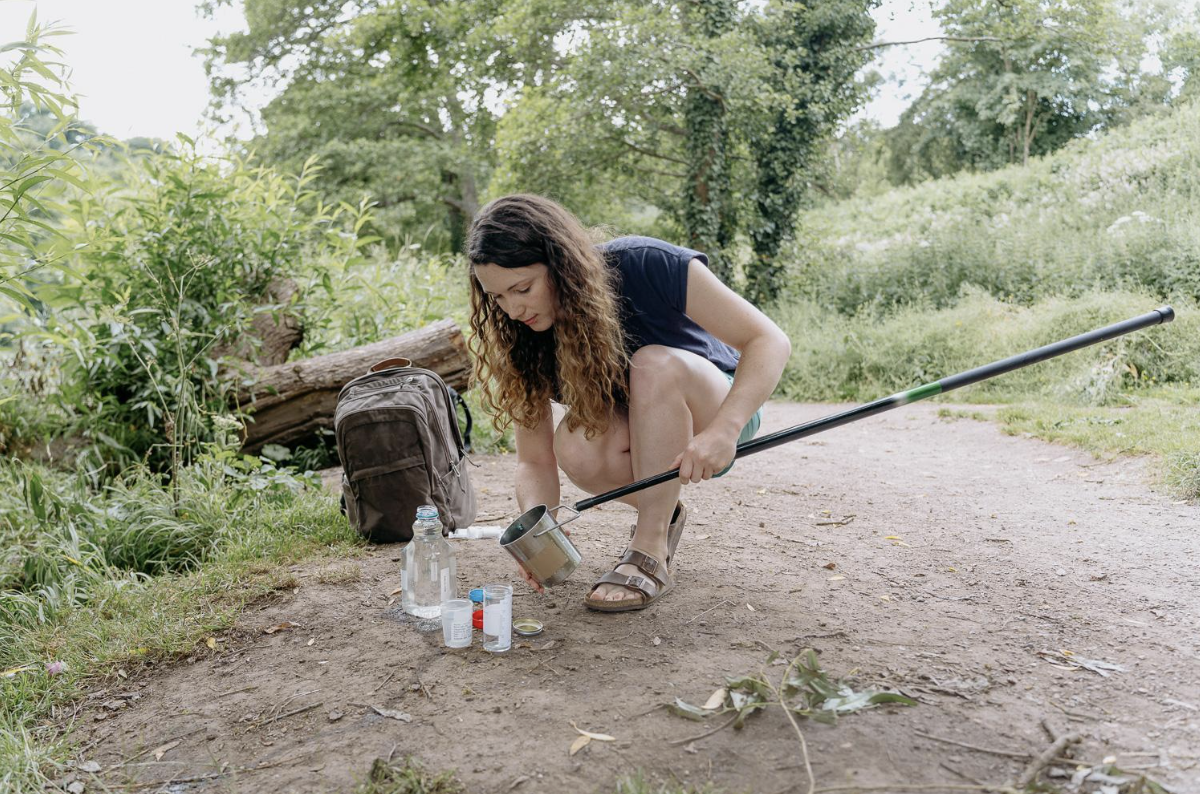
The River Avon in Southwest England is one of the most polluted rivers in the country, ranking third for sewage pollution in 2023. In 2021, a women-led group of outdoor swimmers began campaigning for cleaner water and accountability from polluters. These citizen scientists monitor water quality and notify the community about sewage releases. However, their campaign has encountered two obstacles: river access rights and a democratic deficit in water governance. Citing a rarely enforced bylaw prohibiting swimming in the river, the city’s mayor dismissed their petition, supported by 5,000 residents and councillors, for greater monitoring. His recalcitrance exemplifies how power—whether municipal or private—denies communities the right to advocate for the rivers with which they live. It also reveals how a lack of public access to rivers perpetuates cycles of neglect.
Governance failures
In England and Wales, private interests fragment and shape river governance and regulation. Years of budgetary cuts have weakened the Environment Agency (EA), leaving it unable, or unwilling, to hold polluters to account. The privatization of the water industry under the Water Act 1989 only made it easier for a profit-driven system of regional monopolies and separated functions to evade enforcement of basic water quality standards. On paper, principles of precaution, prevention, and polluter-pays are written into UK environmental law, including the new Water (Special Measures) Act 2025, but these prioritize protecting people and stop short of recognizing rivers as subjects of law themselves. Moreover, these measures are poorly enforced, despite the 2021 creation of the Office for Environmental Protection to investigate regulatory failure. Altogether, the current reality reflects a cultural view of rivers as primarily exploitable or “ownable” resources.
The charter presents a moral framework for guardianship, embedding principles of respect and reciprocity into the language of rights.”
From ownership to guardianship
On the fragments of riverbank accessible to the public, grassroots campaigners are challenging this view. Campaigners on the River Avon have asserted the river’s rights through the Thriving Avon Charter. Inspired by the global Rights of Nature movement and its nascent counterpart in the UK, the charter presents a moral framework for guardianship, embedding principles of respect and reciprocity into the language of rights. It creates an entry point for communities to demand stronger enforcement of existing obligations while also embracing a more radical shift: recognizing the Avon as a rights-bearing entity. It supplements the rights listed in the Universal Declaration of the Rights of Rivers with two additional rights raised through public consultation: the right to climate resilience and the right to a human council.
In practice, this entails community guardians positioning themselves as not only campaigners for cleaner water but also advocates for a new legal imagination reshaping the understanding of rivers in the UK. The charter works within the existing system, using citizen science and advocacy to hold polluters, local authorities, and regulators accountable, but it also reaches beyond the status quo, pointing to a future where rivers are not treated as property but honored as living beings with rights.
In 2022, Spain’s Mar Menor lagoon became the first European ecosystem legally recognized as a subject of rights. A particularly important aspect of this law is the appointment of civil society guardians—a “commission of representatives”—to advocate on behalf of the lagoon and take action against any private or public body that fails in its duties. In England, river guardians with similar powers could act against the EA, polluting water companies, or private landowners.
Reimagining rivers
The mutual suffering that the Avon and its local communities face today is not only an ecological crisis but also a crisis of storytelling—of how we imagine, narrate, and relate with rivers. The Avon campaigners are amplifying their vision through art, poetry, and re-storying the river. They have created from natural and recycled materials a giant puppet, Avona, who embodies the river’s spirit at festivals and political demonstrations. One woman married the Avon in a ceremony immersed in love and devotion against the threat of ecocide. A feature-length documentary on the campaigners has sparked conversation in communities and universities across the country. A related campaign, We Are Avon, recognizes the Avon catchment as one of 180 global bioregions and is working to link the Bristol guardians with smaller groups across the catchment to improve access and regularly monitor the river’s health.
The mutual suffering that the Avon and its local communities face today is not only an ecological crisis but also a crisis of storytelling—of how we imagine, narrate, and relate with rivers.”
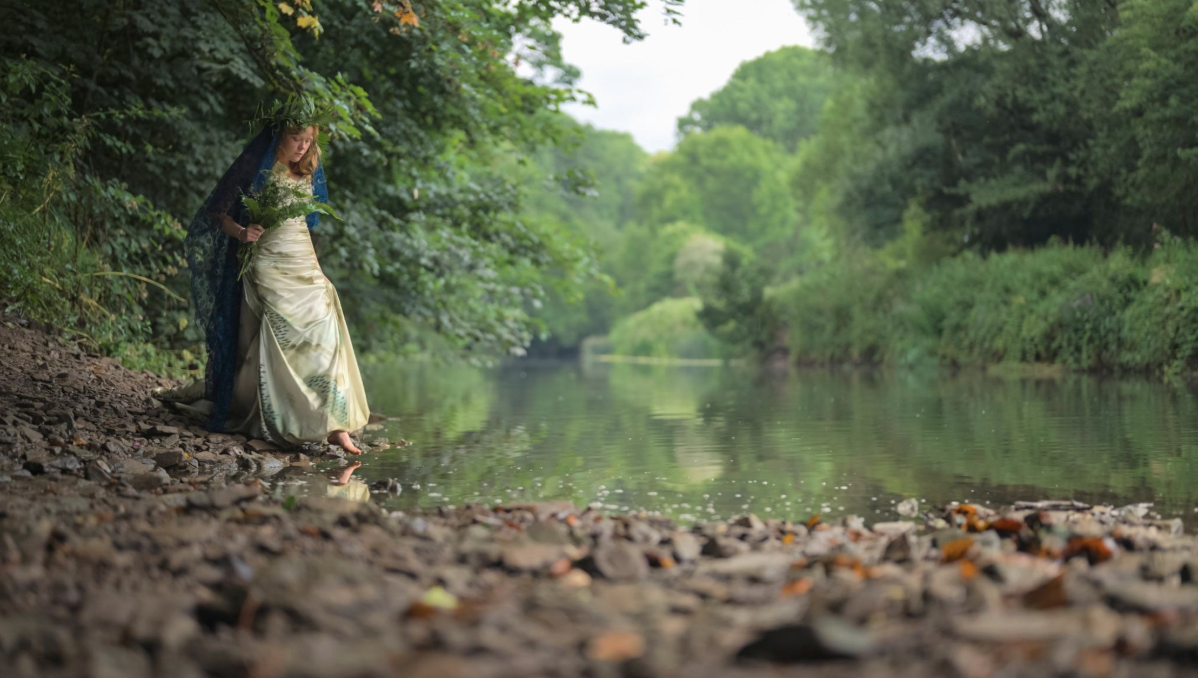
Through citizen science, advocacy, and artistic expression, these guardians reimagine the river not as property but as kin, echoing the ancient Māori proverb “Ko au te awa, ko te awa ko au” (“I am the river and the river is me”).
The law is a story, one that should reflect, not prescribe, how a more-than-human community lives. Improved river access rights in the UK would enable people and rivers to reconnect and promote a collective responsibility of care. A formal recognition of the Avon’s rights, together with the rights of the community to advocate for the river and amplify the river’s voice, could address the mutual suffering caused by physical exclusion and regulatory failure.
The Avon’s story demonstrates both the failures of governance and the promise of reconceptualization: from a river polluted and privatized to a river defended and imagined anew. To sense, to know, to love.

